
How the FNB Hub for Family Support is helping families navigate complex health challenges
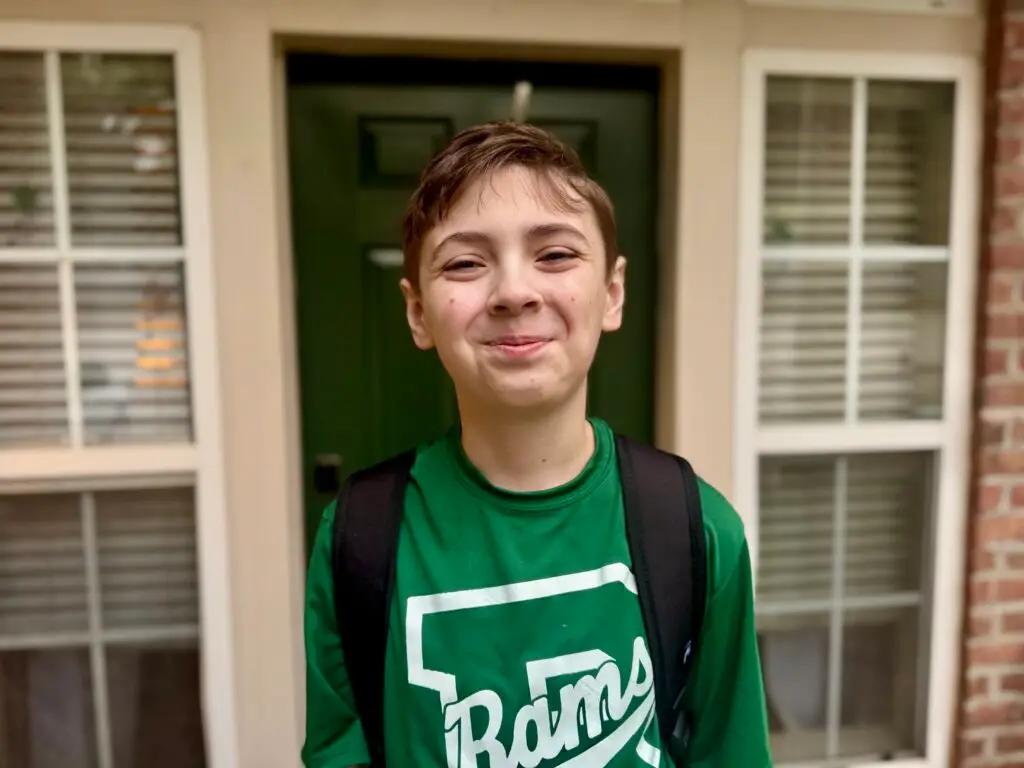
These days, 12-year-old Cooper spends his time swimming, gaming, and hanging out with his big brother, Chance. A sixth grader with autism, he dreams of becoming a YouTuber someday.
Cooper’s parents, Elizabeth and Jesse, aren’t so sure about the whole YouTube thing, but they both agree that he is a gentle, loving kid.
After being fully potty trained, Cooper began to regress. He wasn’t eating and often looked pale and unwell. Imaging tests eventually revealed severe constipation. Cooper’s colon was not functioning properly, making it difficult for his body to move waste through the digestive tract.
For the next several years, despite countless treatment regimens, appointments, and hospital visits near the family’s home in North Carolina, Cooper continued to struggle.
As Cooper grew older, the challenges became increasingly difficult. Children teased him for wearing pullups to school, and stomach pain limited family activities. Elizabeth says she felt hopeless and even considered homeschooling her son.
Finding Care and Support in Pittsburgh
When the family relocated to Pittsburgh when Cooper was 11, they sought treatment at UPMC Children’s Colorectal Center for Children. Before their first appointment, Elizabeth received a call from Audrey Conley, FNB Family Support Partner (FSP) for the Colorectal Center. FSPs are staff members with lived experience raising a child with complex medical needs who provide guidance and support to patient families.
The FNB Hub for Family Support was established in 2025 through a $1 million gift from F.N.B. Corporation (FNB) to expand behavioral health access for families served by UPMC Children’s. The hub provides the education, training, and support needed to expand FSP services across the hospital.

“It was nice to hear from someone who has experience raising a child with similar concerns,” Elizabeth recalls. Following that first conversation, Elizabeth felt cautiously optimistic.
The Power of Shared Experience
As Cooper’s treatment continued, Audrey became an important source of support for the entire family. Whether Elizabeth needed advice, encouragement, or simply someone to listen, Audrey was there.
“She is so helpful,” Elizabeth says. “I can call or text her with any issues, and she is always there to solve problems with me.”
Because Audrey has experienced many of the same challenges, Elizabeth says their conversations feel different. “It’s comforting to have a mom like me who gets it,” she says.
That connection is exactly what the FNB Hub for Family Support was designed to provide. FSPs offer well-researched resources and help navigating care systems, often serving as a bridge between families and the care and support they need.
For Elizabeth, the impact extended well beyond medical appointments. “Audrey is a shoulder to lean on and makes me feel seen as a parent,” she says. “The FNB Family Support Hub makes an incredible difference.”
A New Beginning
A few months into treatment, Cooper underwent a Malone appendicostomy, or MACE procedure, performed by Devin Halleran, MD, assistant director of the Colorectal Center. The surgery was a success, and the results exceeded the family’s expectations.
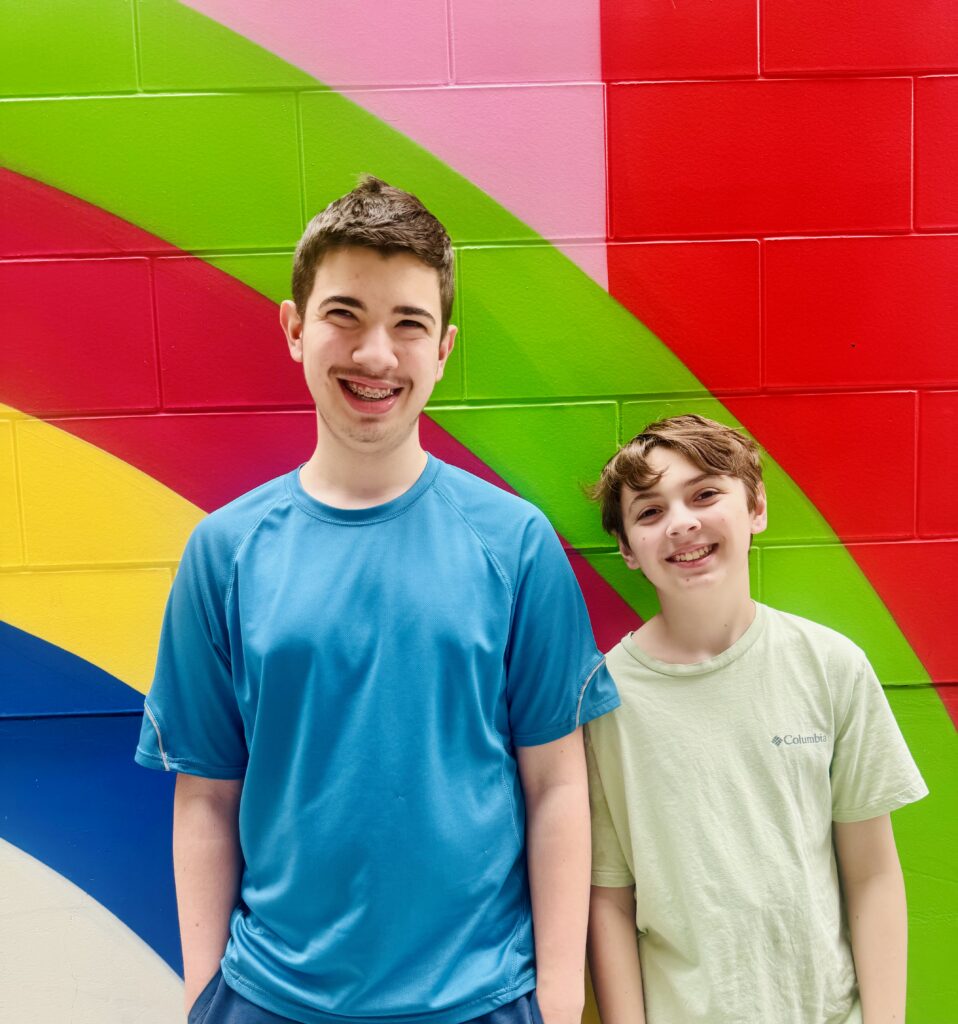
Today, Cooper is more confident, more independent, and more willing to participate in the activities he enjoys. He is focused on sixth grade, video games, and all the things that matter to a 12-year-old boy. He no longer relies on pull-ups and for the first time in years, his family can spend less time worrying about his challenges and more time watching him just be a kid.
Through the FNB Hub for Family Support, families like Cooper’s are finding invaluable support and the confidence to navigate difficult medical challenges.
“Cooper’s whole life changed when we found the Colorectal Center for Children and the FNB Family Support Hub,” Elizabeth says. “He’s been given the freedom to become the person he is supposed to be, and we couldn’t be more thankful.”