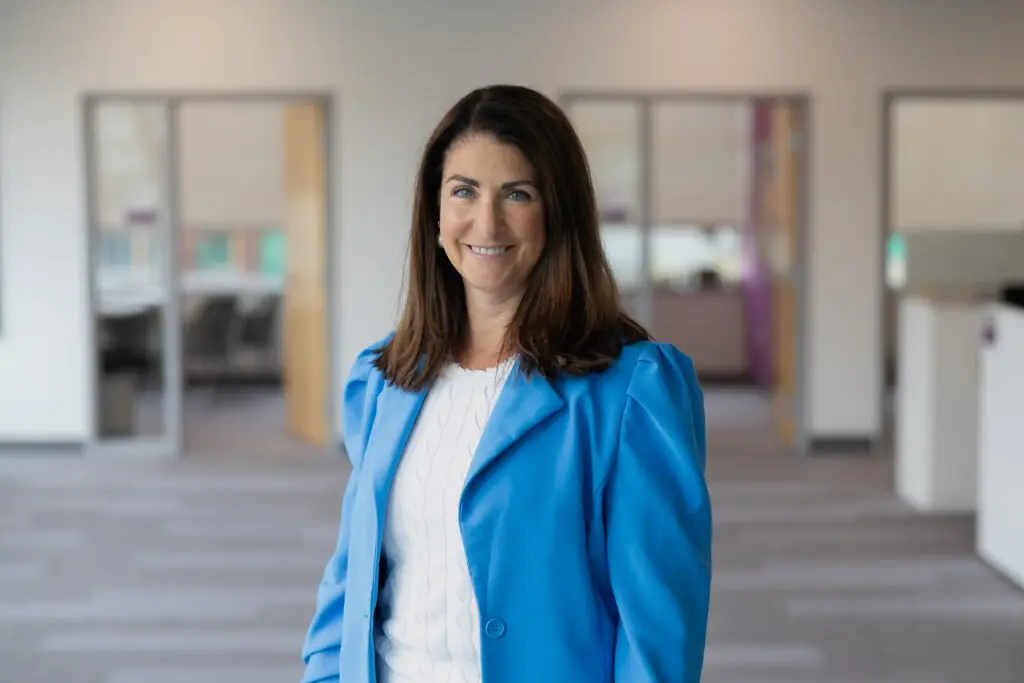
How my journey as the parent of a patient inspires and drives me as president, UPMC Children’s Hospital Foundation.
By Rachel Petrucelli
I still remember sitting in an exam room at UPMC Children’s Hospital of Pittsburgh in 2001 with my infant daughter, Hannah, waiting for someone to tell us what was wrong. She was only a few months old, her growth curves were dipping, she was not consuming enough formula, and she was spitting up far more than normal … and I knew, in the way every parent does, that something was not right.
After spending nearly two hours with us in that exam room, listening carefully and compassionately, and walking through every detail of Hannah’s history, Basil Zitelli, MD, the now retired division chief, Pediatric Hospital Medicine, and director, Diagnostic Referral Service, UPMC Children’s, gave us an answer that was not really an answer at all.
“I don’t know what’s wrong with your child,” he said, “but I know something isn’t right.”
It was not the diagnosis I wanted. It did not tell us exactly what came next. And yet, in that moment, I felt something that I had desperately needed to feel as a mother: validation. Dr. Zitelli saw what we saw, and he was willing to support us through whatever came next.
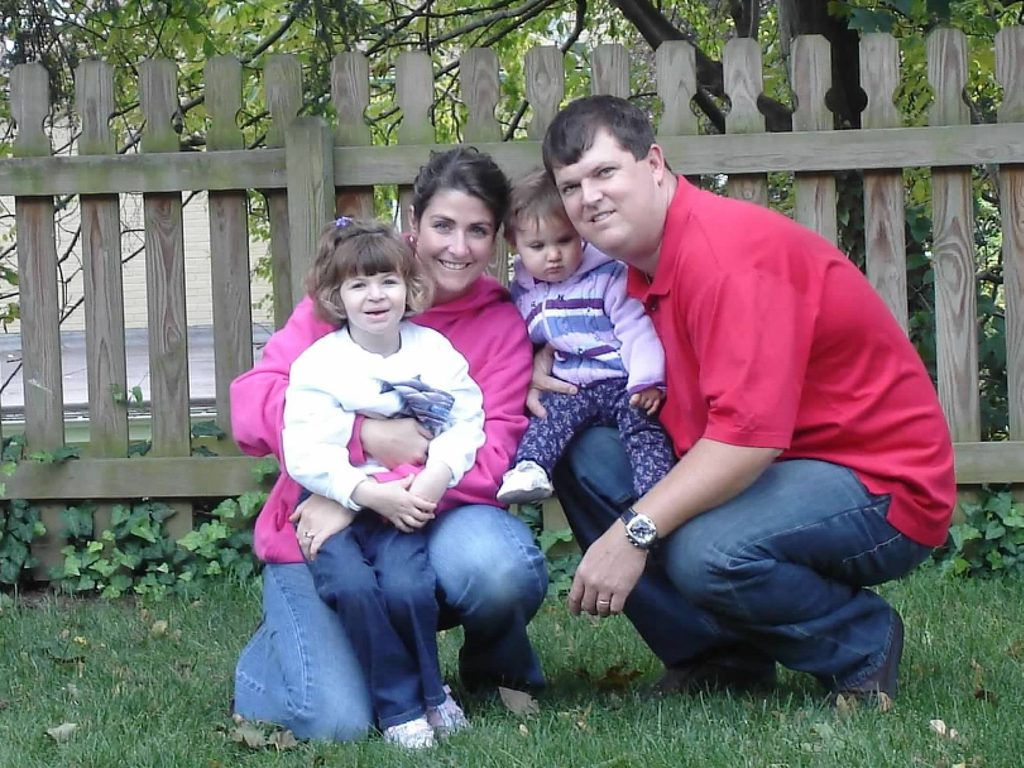
That was the beginning of my journey with UPMC Children’s. Years before I came to UPMC Children’s Hospital Foundation as a fundraiser, I walked the halls of the hospital in Oakland as a mother seeking answers for her daughter.
Hannah’s care touched many areas of the hospital, including the feeding clinic, gastroenterology, and rheumatology. She braved many procedures, receiving ear tubes, a tonsillectomy, and a feeding tube that supported her for nearly a decade. Genetic testing gave us some information about why she was experiencing health challenges and developmental delays, but never a clear diagnosis that explained everything.
For years, my family lived in the vast space between symptoms and answers. I think any parent who has been there knows how all-consuming that space can feel.
You are trying to understand what your child needs, make the right decisions, and hold your family together, all at the same time. And underneath all of it, you are hoping that someone, somewhere, is working toward answers you do not have.
When A Career Became A Calling
When I interviewed for the role of director of major gifts at the Foundation in 2004, I was not immediately sure it was the right choice. At that time, my fundraising career had become a kind of respite from everything surrounding Hannah’s care, and I wondered whether I wanted to spend my professional life inside that same world. Yet our family had reached a point where Hannah’s medical needs required a level of time and presence that was difficult to sustain as my husband and I had careers that required frequent travel. Despite my hesitations, I knew the Foundation presented a chance to remain professionally fulfilled while staying close to the hospital that was an important part of our family’s life.
Once I arrived, I quickly realized that my connection to UPMC Children’s was different from any other mission I had served. I had believed in the work of other organizations, but here, I felt drawn to the mission deeply, in my heart, as a mother.
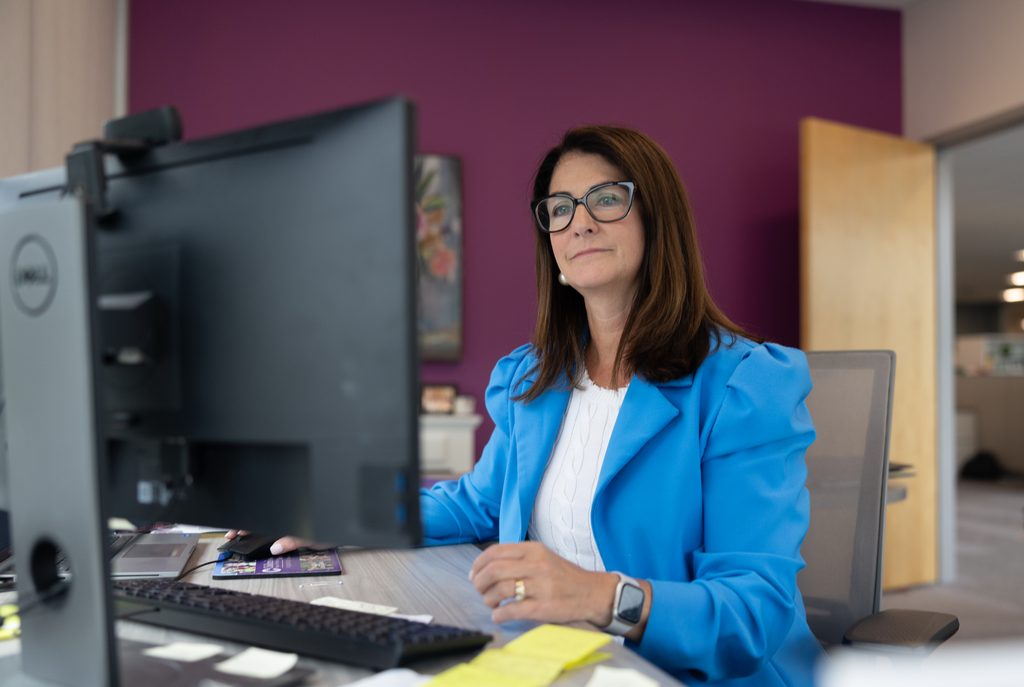
In the more than two decades since, it has been a privilege to watch UPMC Children’s and the Foundation grow together in extraordinary ways and to contribute to that growth as a fundraiser, advocate, and leader. I am deeply proud of how the Foundation and hospital have worked together to become more aligned, more strategic in our partnership, and more capable than ever before of making transformational advancements across the pediatric service line.
UPMC Children’s is the only dedicated pediatric facility in our health system. Its responsibility and impact extend far beyond our Lawrenceville campus. Discoveries made here are shaping pediatric medicine nationally and globally. That is exactly what a world leader in children’s health should do, and it is what philanthropy empowers us to do.
For The Families Seeking Answers
I often recognize familiar emotions in the stories that parents of patients are generous enough to share: the uncertainty of not knowing what comes next, the determination to keep moving forward, and the hope that somewhere, someone is working toward a better answer.
When I think about my own experience as Hannah’s mother, it drives me to help fuel the care and research that will help other families — like Lowin’s.
Facing a serious diagnosis, Lowin’s mother, Krystal, found herself navigating a world she never expected to enter. Her search for answers eventually connected her family with Taylor Abel, MD, chief, Pediatric Neurosurgery, UPMC Children’s, whose work demonstrates how philanthropy, research, and patient care come together to change lives.
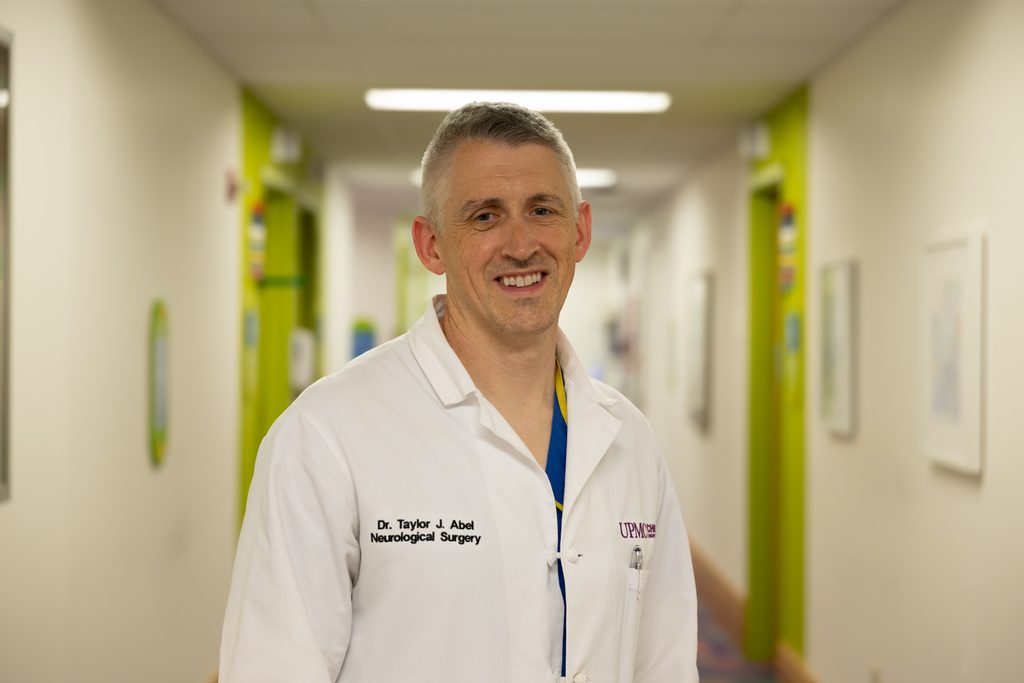
“On our diagnosis day in February 2020, we were delivered the devastating news, ‘Your daughter has a very large mass in her brain,’” Krystal explained. “We were shown just how big her tumor was and its location, and everything became even more devastating. However, our doctors refused to ever give up. Dr. Abel was able to perform a difficult surgery, and he communicated so effectively with our neuro-oncologist, James Felker, MD, to ensure everyone was on the same page with Lowin’s care.”
According to Dr. Abel, pediatric brain tumor care has evolved dramatically during his career because of research. Years ago, physicians primarily understood tumors by how they looked under a microscope. Today, tumors can be examined at a molecular level, allowing clinicians to identify more precise treatment approaches and develop new therapies.
“These advancements,” Dr. Abel explained, “were made possible by the collection and study of brain tissue — an effort accelerated at UPMC Children’s with the help of philanthropy.”
“The team here has been able to build and maintain one of the largest brain tumor tissue banks in the country, with the help of philanthropic funds from the A. Leland Albright Chair, under the leadership of Ian Pollack, MD,” Dr. Abel said. “Every sample we’ve collected in that bank represents an opportunity to learn something new, and those discoveries that we are making here can be applied to the care kids are receiving all across the country.”
One of the pioneers of the surgical approach performed by Dr. Abel on Lowin’s tumor was A. Leland Albright, MD, for whom the endowed chair in pediatric neurosurgery at the University of Pittsburgh School of Medicine is named.
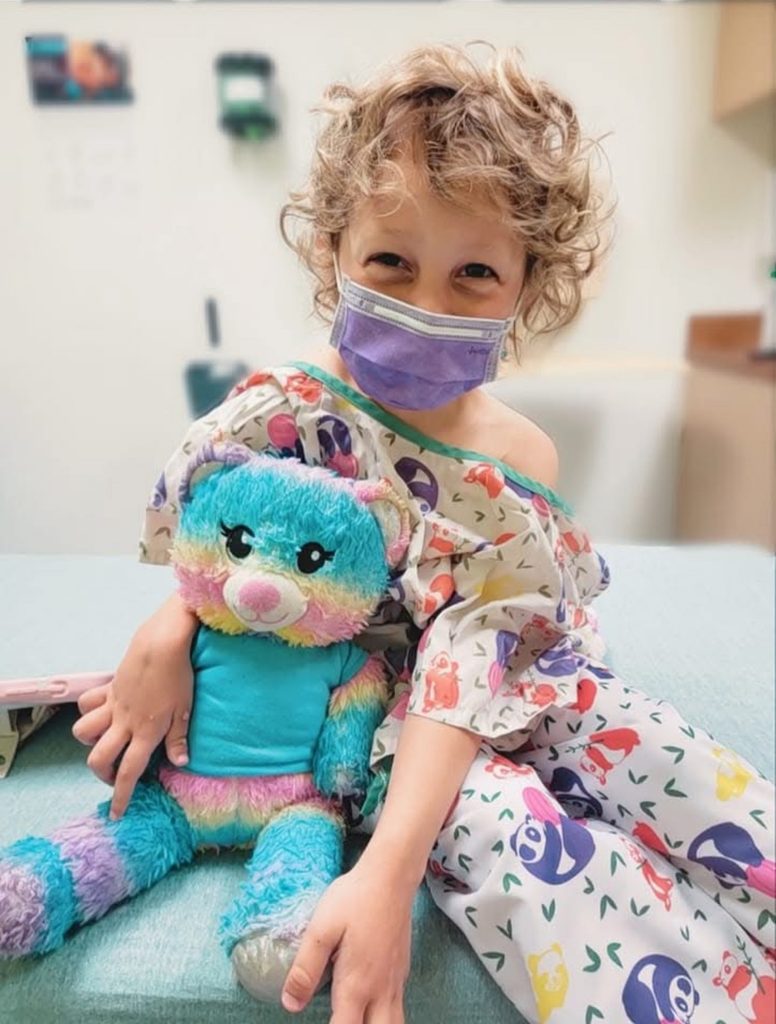
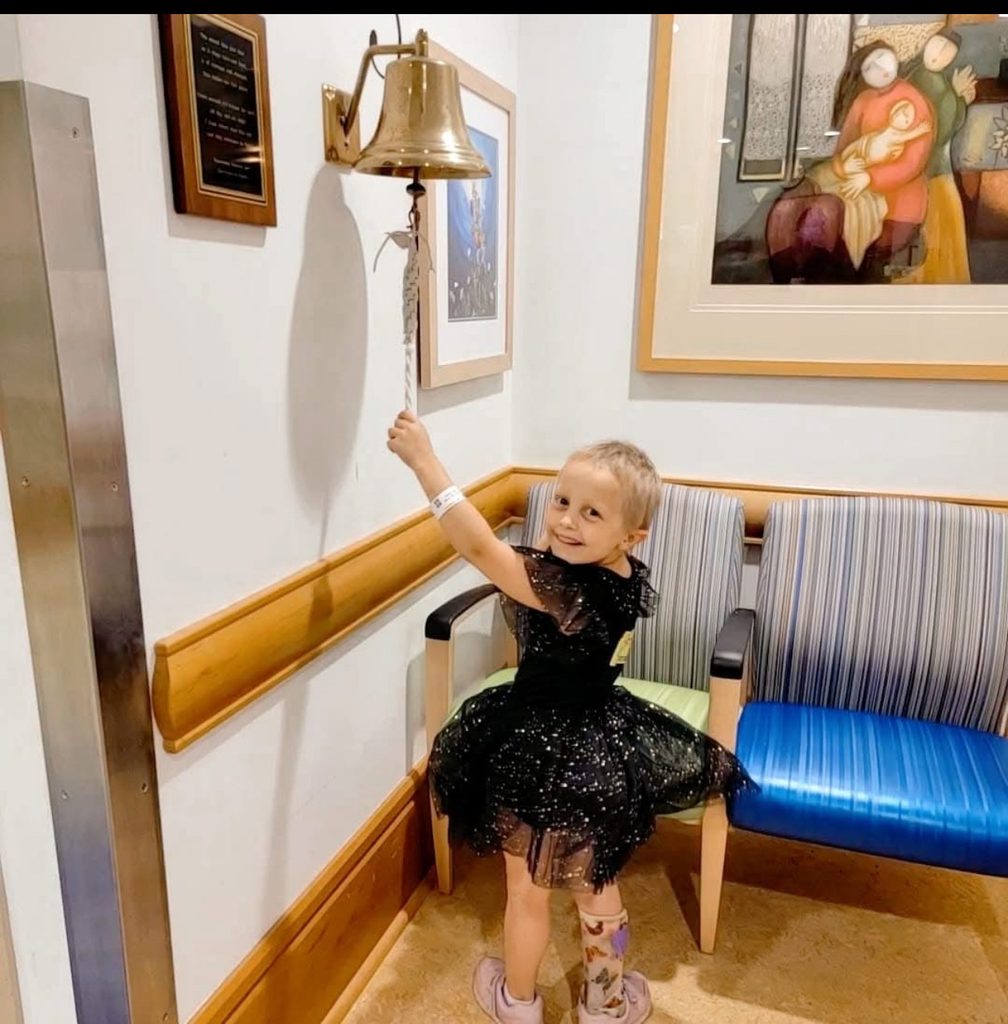
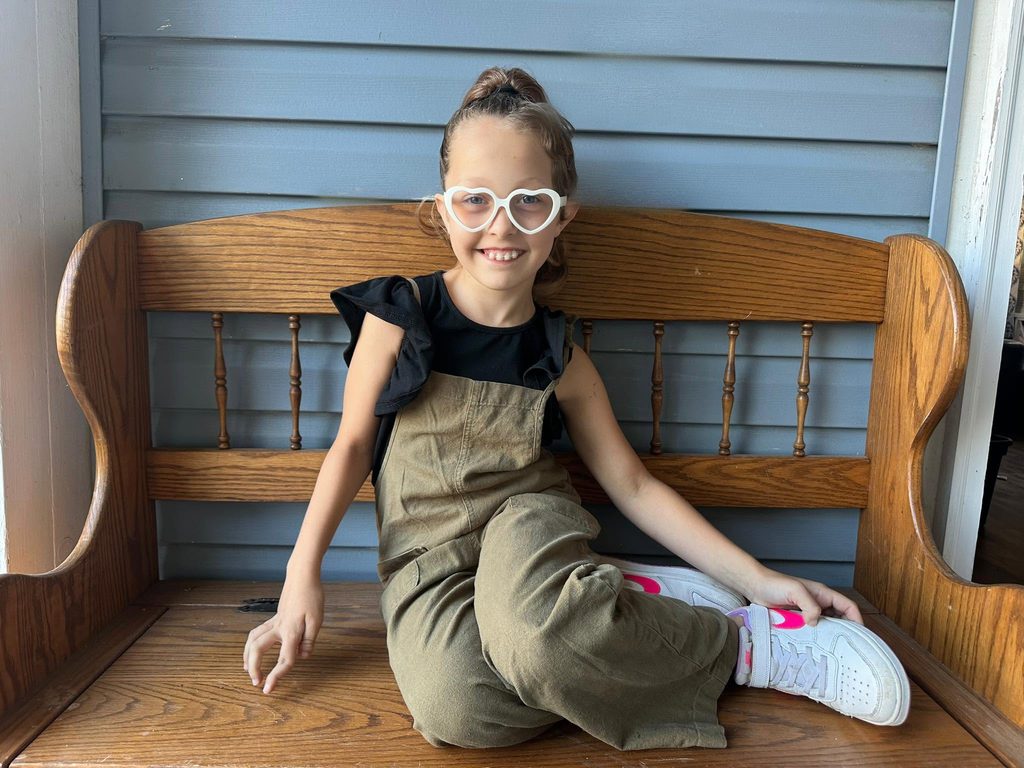
Several clinical trials related to Lowin’s tumor type were also conducted in Pittsburgh. Philanthropy, Dr. Abel emphasized, empowers physician-researchers to pioneer new treatments, sustains the infrastructure needed to fuel even more clinical trials, and advances experimental therapies that give kids hope.
In 2025, Dr. Abel worked with Lowin again, performing a temporal lobectomy in an effort to significantly reduce her seizure activity, alongside William Welch, MD. “The road for Lowin has never been easy,” Krystal added, “but we believe, and we fight, and so do her doctors at UPMC Children’s. For that, we will be forever grateful.”
What This Moment Made Possible
This year, I saw the partnership between UPMC Children’s and the Foundation reach a milestone through the completion of our largest campaign ever, This Moment: Put a Child’s Future First, which raised $250 million in five years to support clinical care, patient experience programs, community health initiatives, and pediatric research.
Lowin’s journey, as well as the work of Dr. Abel and his colleagues, exemplify one of the many ways that philanthropy through This Moment is transforming care. Approximately $49.6 million was raised specifically to support research. Research informs leading-edge care, and leading-edge care can change the trajectory of a child’s life. This Moment also advanced the construction of the new Heart Institute, which cares for patients from 22 countries across the globe. It raised critical funds for patient experience programs and helped extend those programs to the Erie region. It expanded resources to reduce the financial burdens that often accompany a child’s illness. It accelerated discoveries that, while made here, do not stay here. These discoveries make ripples and waves through research collaborations, publications, and clinical trials. They shape pediatric care for kids who walk into facilities with the words “UPMC Children’s” above the door and for families we will never meet.
A Broader Purpose
My mother was a single parent and worked in health care. Even now, she reflects on how fortunate she was that my brother and I were healthy children. Her job required her to be present. There was little to no flexibility. When she saw the challenges our family navigated with Hannah, she frequently said she didn’t know how she would have managed on her own.
My “why” began with Hannah, and it will always be inextricably connected to my family’s journey. And for as long as I have the privilege of doing this job, my “why” will be magnified daily for each child and family who turns to UPMC Children’s for a glimmer of hope.
I think about that often.
I think about the parents trying to balance their child’s doctor appointments with work schedules. About families worried about transportation, food, lodging, childcare, or missed paychecks. Caregivers making impossible choices between providing for their families and being present for their children.
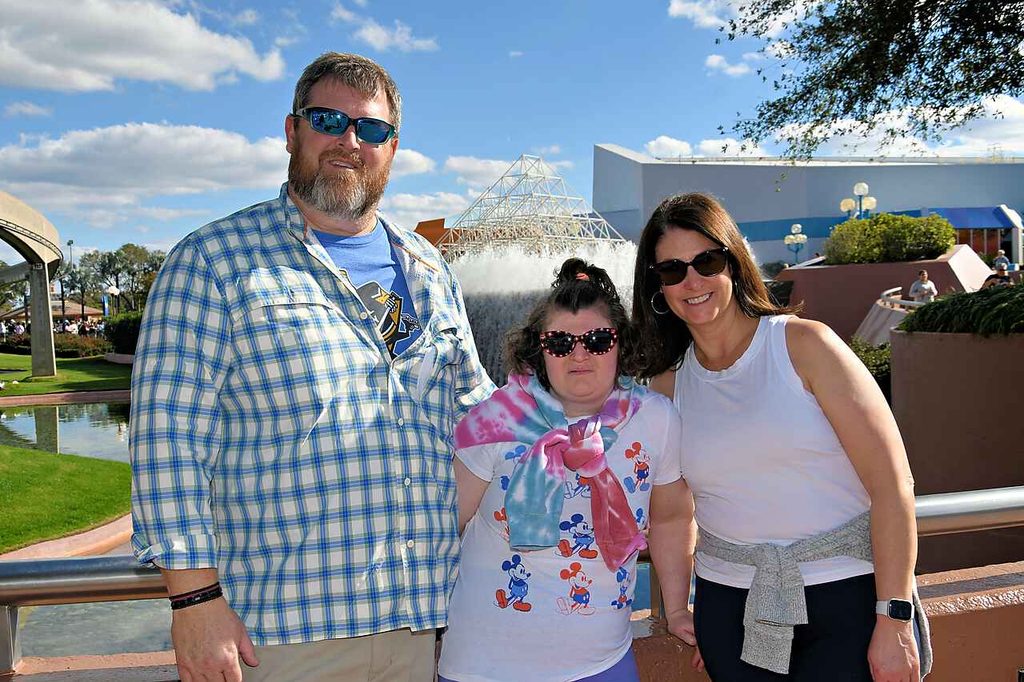
When I leave home in the morning and drive to the Foundation, I come to work for the parents who are scared and searching, and for the children who deserve more options. I also come to work for the clinicians and researchers asking questions without answers, and for the donors whose generosity fuels their work.
My “why” began with Hannah, and it will always be inextricably connected to my family’s journey. And for as long as I have the privilege of doing this job, my “why” will be magnified daily for each child and family who turns to UPMC Children’s for a glimmer of hope.
Story originally published in UPMC’s First Friday Magazine in October 2026