
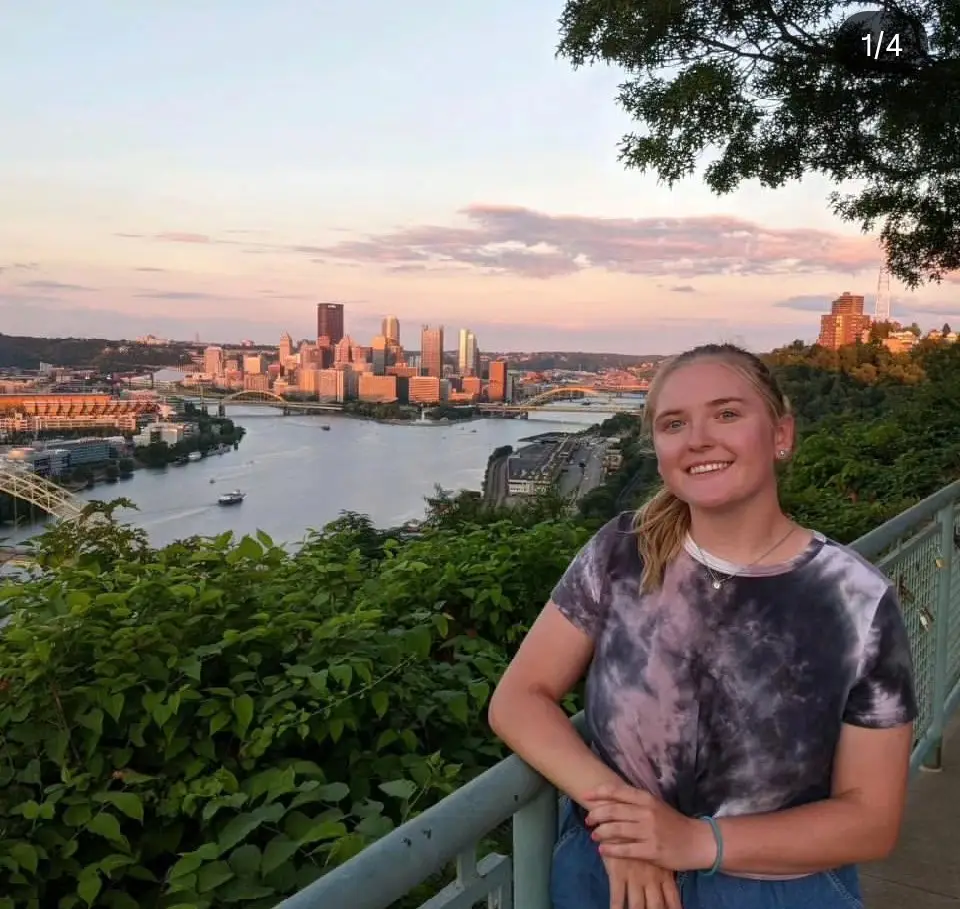
If you met Taylor today, you would probably first notice her warm smile and kind personality. A senior in the Honors Tutorial College at Ohio University studying business, marketing, advertising, and public relations, she enjoys spending time with friends and staying active.
What you might not realize is that Taylor is deaf.
When Everything Changed
When Taylor was 14 months old, she was a healthy toddler with no serious medical concerns. But when she suddenly developed a high fever after waking up from a nap at her daycare center, her parents, Pam and Greg, sensed something was terribly wrong. After consulting with her pediatrician, they were advised to take Taylor to UPMC Children’s.
A series of tests eventually revealed she had bacterial meningitis. Taylor became critically ill. She suffered an extended seizure which required admission to the Pediatric Intensive Care Unit (PICU), where she was placed in a medically induced coma so her brain could heal.
For her parents, the days that followed were filled with uncertainty and fear. Because of the severity of her illness, doctors warned the family about complications, including vision loss, hearing loss, brain damage, physical disabilities, and even the possibility that she might not survive. They were encouraged to focus on one thing at a time — providing highly specialized medical care that would help Taylor heal from the meningitis — and told that any complications would be dealt with once Taylor was well.
A New Challenge
After several weeks in the PICU, Taylor’s condition stabilized, and doctors were able to wean her off the ventilator. She was alive, but the infection had permanently damaged her hearing.
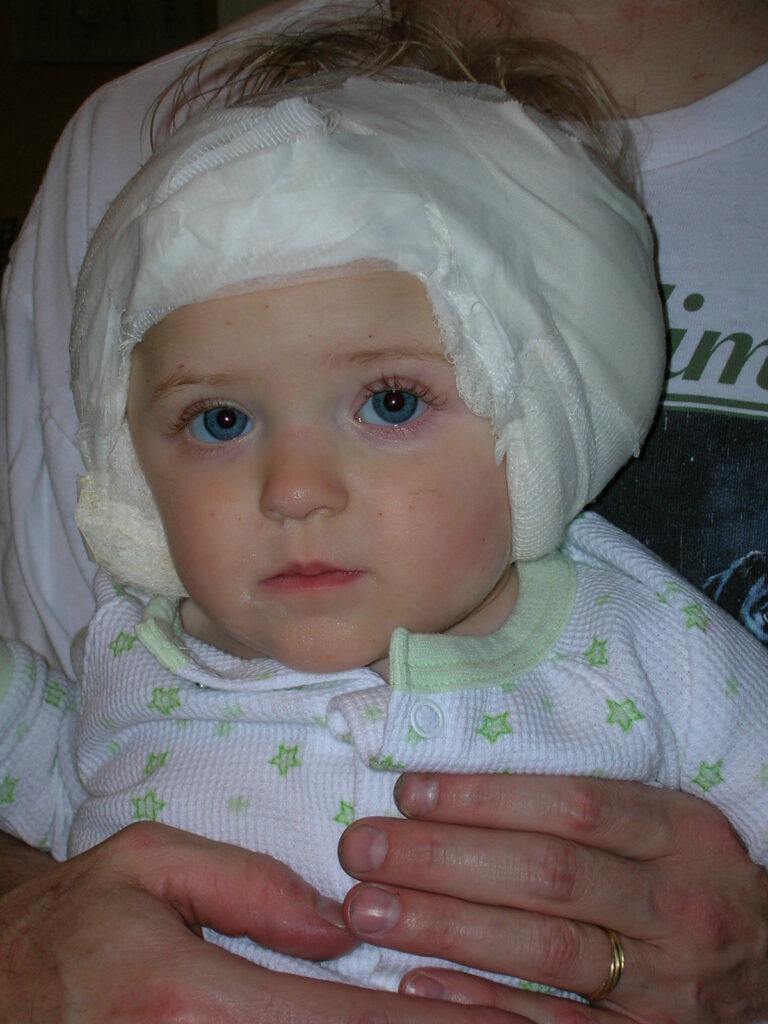
Taylor was diagnosed with severe to profound bilateral sensorineural hearing loss, or a permanent loss of hearing in both ears. As her family adjusted to this news, doctors told them about a groundbreaking surgical option called cochlear implant surgery, which would bypass Taylor’s damaged cochleas and provide access to sound; specifically, speech sounds, that were so critical to Taylor’s stage of development.
In September 2006, Taylor became the first patient at UPMC Children’s to receive simultaneous bilateral cochlear implants. The surgery, performed by pediatric otolaryngologist David Chi, MD, lasted more than eight hours and was successful. Taylor’s cochlear implants were activated just one month later after the surgical sites had healed.
Learning to Hear Again
Taylor’s journey did not end there. She spent years participating in speech, auditory, and physical therapy as her brain learned how to process sound through her cochlear implants. Despite multiple steps, the act of hearing by virtue of a cochlear implant happens in seconds.
Sounds are transmitted from external speech processors to an implanted magnet and then travel across an electrode array in each cochlea. “The electrodes stimulate the auditory nerve and send signals to my brain, where the sound is interpreted,” explains Taylor. “We actually hear with our brains, and our ears are simply a conduit.”
“My brain had to relearn a lot, because every single sound I had recognized up to that point now sounded different,” Taylor further explains.
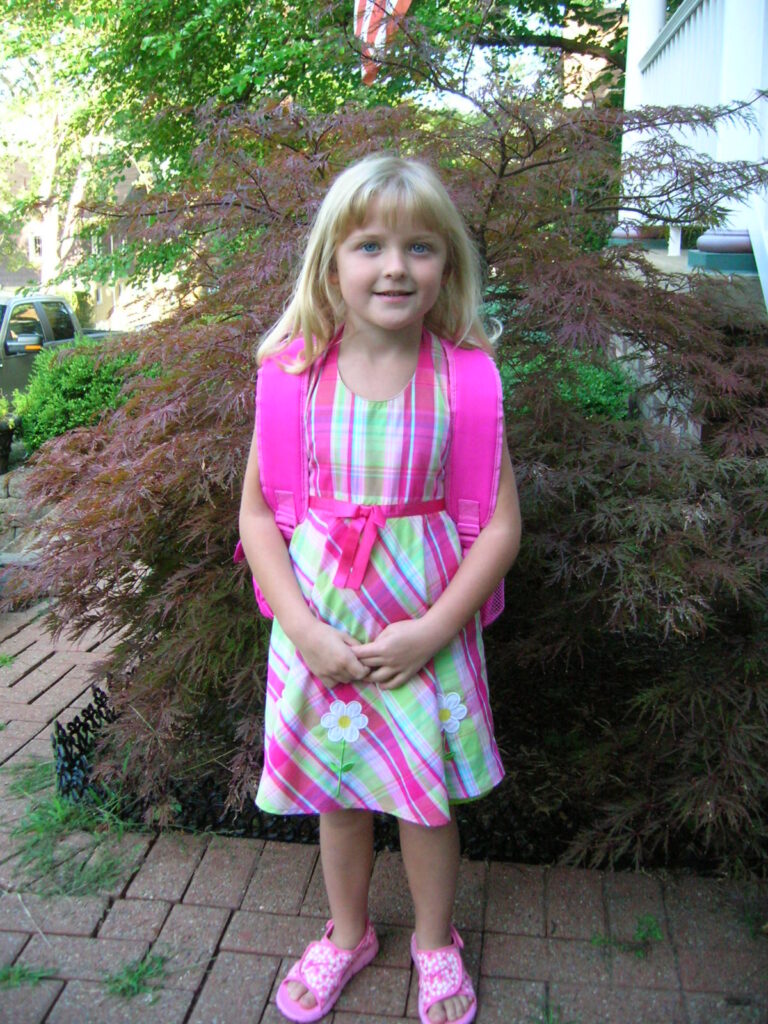
Taylor attended DePaul School for Hearing and Speech for four years before mainstreaming into her local school district for kindergarten. Over time, and with the help of her parents, teachers, medical professionals, and technology, she developed the confidence and skills needed to thrive alongside her hearing peers.
She took dance classes, played tennis, and ran track in high school. Taylor graduated in 2023 and is now an intern with the Community Relations team at UPMC Children’s Hospital Foundation, giving back to the hospital that saved her life. Today, many people do not even realize that Taylor wears cochlear implants because the external components are hidden beneath her hair. She communicates using spoken language and uses accessories that pair with her cochlear implants to help her hear better in noisy listening environments.
Turning Challenge into Purpose
Throughout childhood and into young adulthood, Taylor discovered another passion: helping families facing diagnoses like her own. Since 2014, she has volunteered with Cochlear Americas, her implant manufacturer, offering encouragement and guidance to parents whose young children received cochlear implants, and to hearing-impaired individuals whose hearing has deteriorated to the point where they are now implant candidates.
Hearing aids do not require surgery; cochlear implants do. When a user no longer derives benefit from hearing aids, he or she may be evaluated for cochlear implants. This can happen at any age, depending on the nature of the hearing loss and especially if it is a progressive loss.
Supporting other families has become one of the most meaningful parts of her journey and has helped shape her future goals.
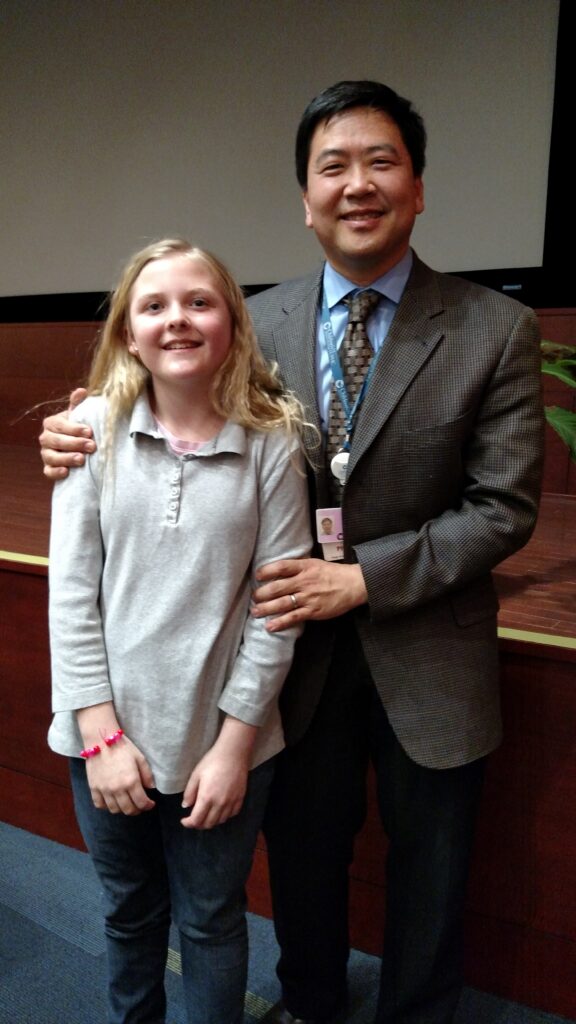
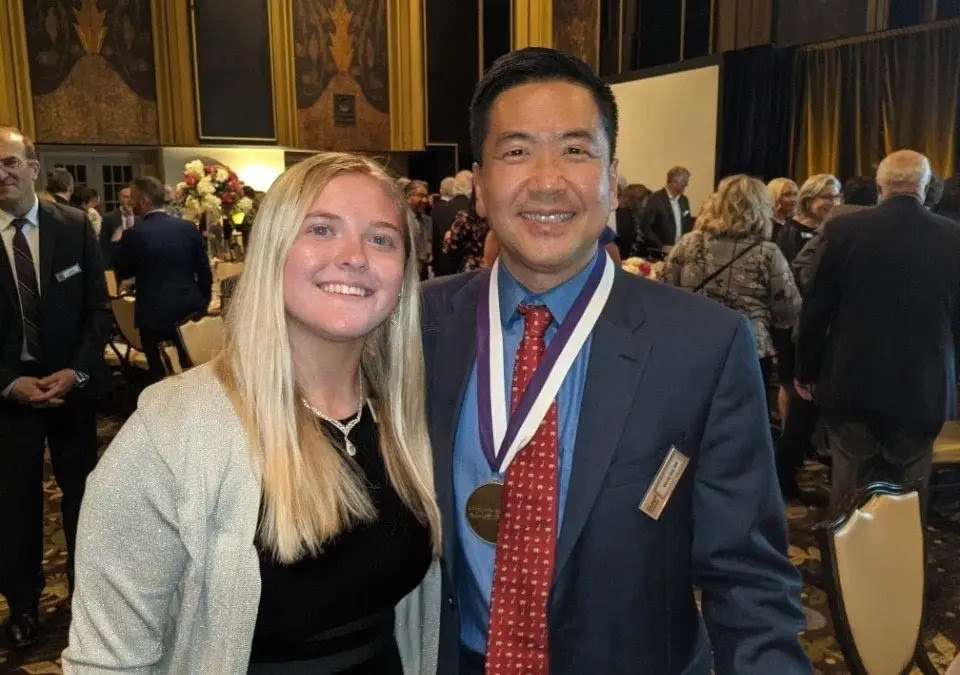
“Throughout the years, I have always been encouraged to ‘pay it forward,’ and these experiences have shown me the positive impact that sharing my story can have on others,” Taylor says. “Being able to offer guidance, support and hope to families of children with hearing loss has been incredibly meaningful and has reinforced my desire to make a difference in people’s lives.”
With her health thriving and her future taking shape, Taylor is focused on the next chapter of her life. She hopes to build a career in marketing and communications and use her experiences to make a positive impact on others. She remains deeply grateful for the care she received at UPMC Children’s and for the donors whose support helped her reach this moment.
“Because of donor support, patients like me have access to groundbreaking research, exceptional care, and opportunities that can truly change the course of their lives. Your generosity doesn’t just impact patients in the moment, it helps give them the chance to grow, pursue their dreams, and live life to the fullest.”
– Taylor Billet