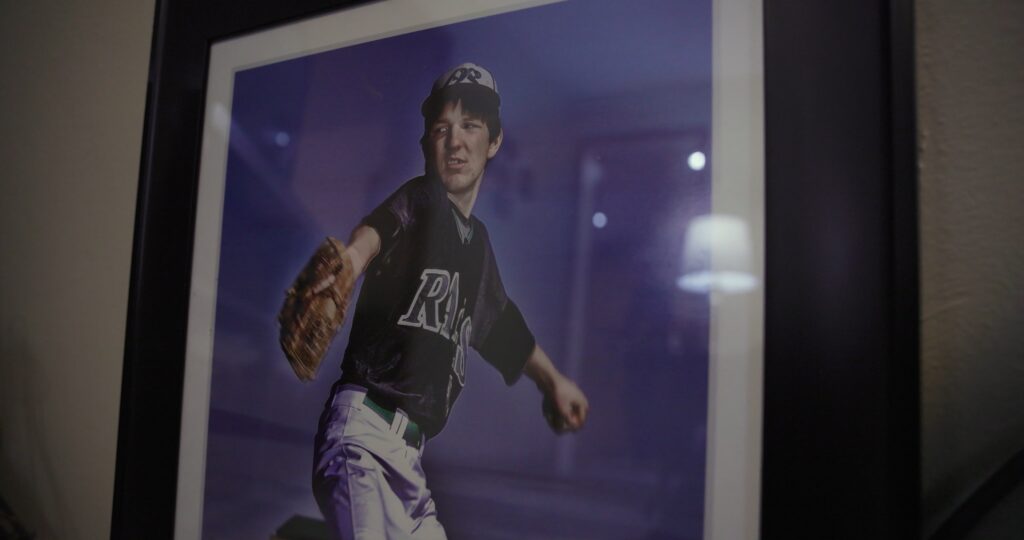
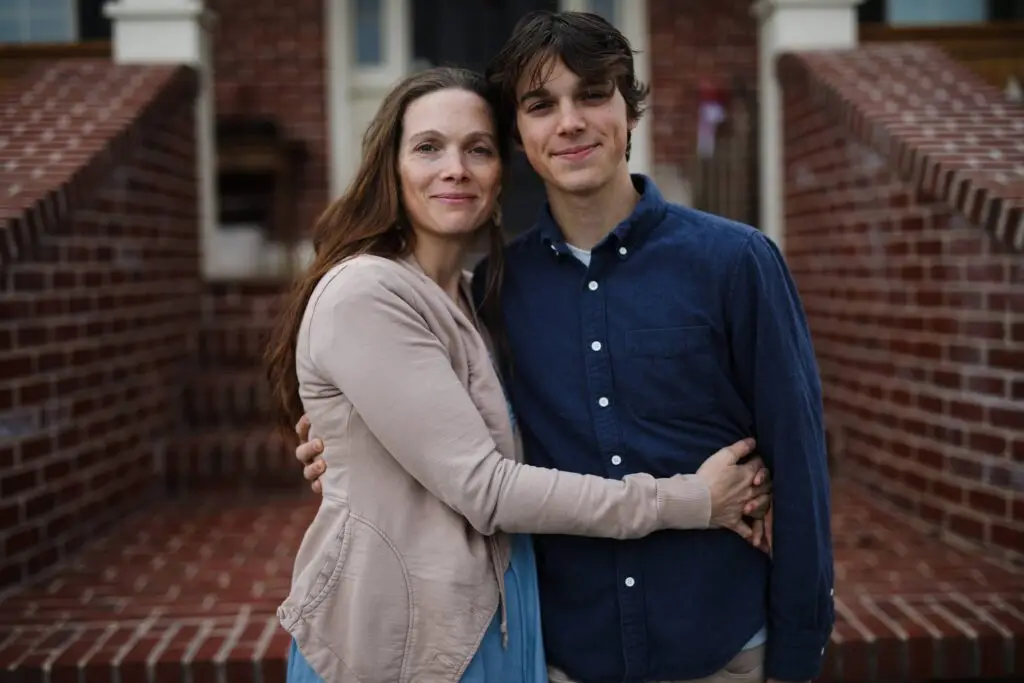
Jonas is a smart, musically gifted high school senior who lives with his family on their second-generation organic farm in central Pennsylvania. Healthy and athletic, Jonas showed no signs of a serious congenital condition.
A fainting spell at school set off a chain of events that uncovered the unexpected diagnosis.
A Scary Moment
Jonas was in his high school driver’s education class when he suddenly passed out after watching a graphic safety video. He was sent to the school nurse, who urged the family to follow up with specialists.
At a cardiology appointment shortly thereafter, Jonas was diagnosed with superior sinus venosus septal defect (SSVD), a rare critical congenital heart condition in which a hole exists between the heart’s two upper chambers. If left untreated, SSVD can lead to heart failure and even death later in life.
The cardiologist explained to Jonas’ parents, Deirdre and Will, that Jonas was born with the defect and that it would need to be repaired by open-heart surgery. He referred the family to the Heart Institute at UPMC Children’s.
“We were shocked and scared. He was living with a hole in his heart that went undetected for years,” Deirdre shares. “I felt sick to my stomach thinking about doctors opening up my son’s chest to repair the SSVD.”
An Innovative Solution
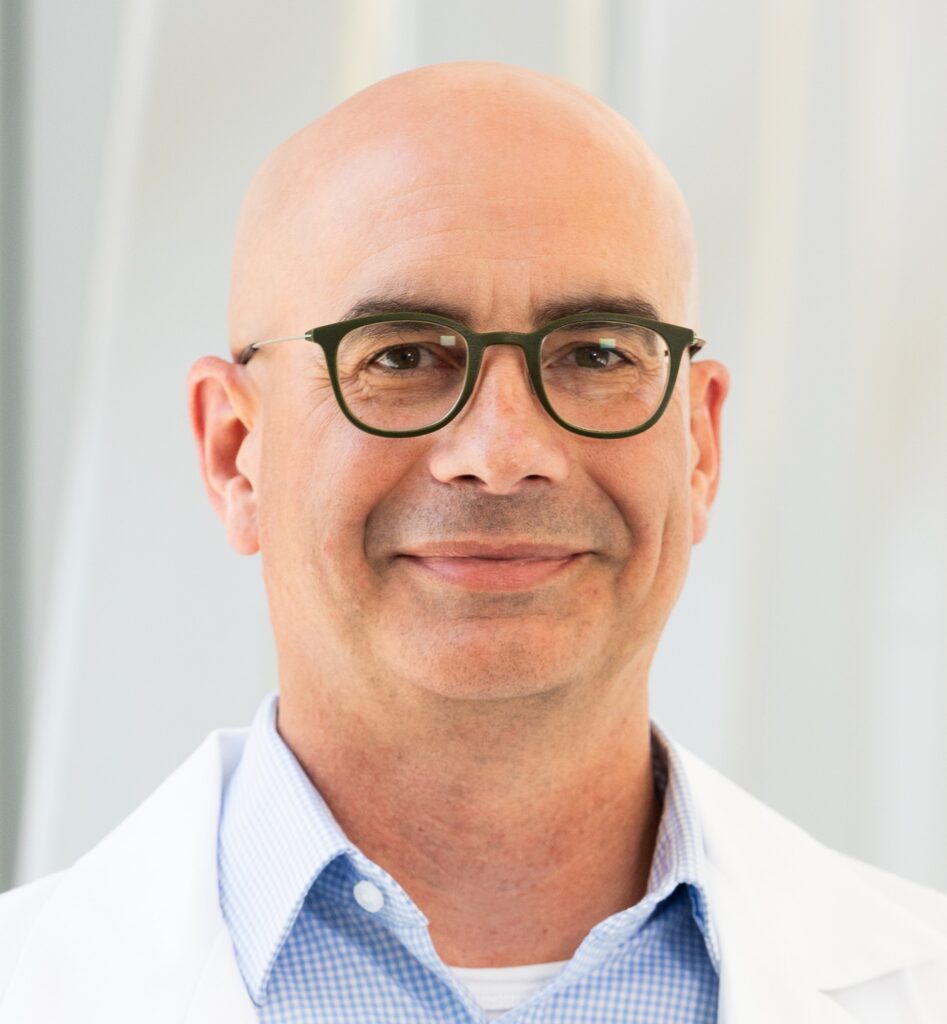
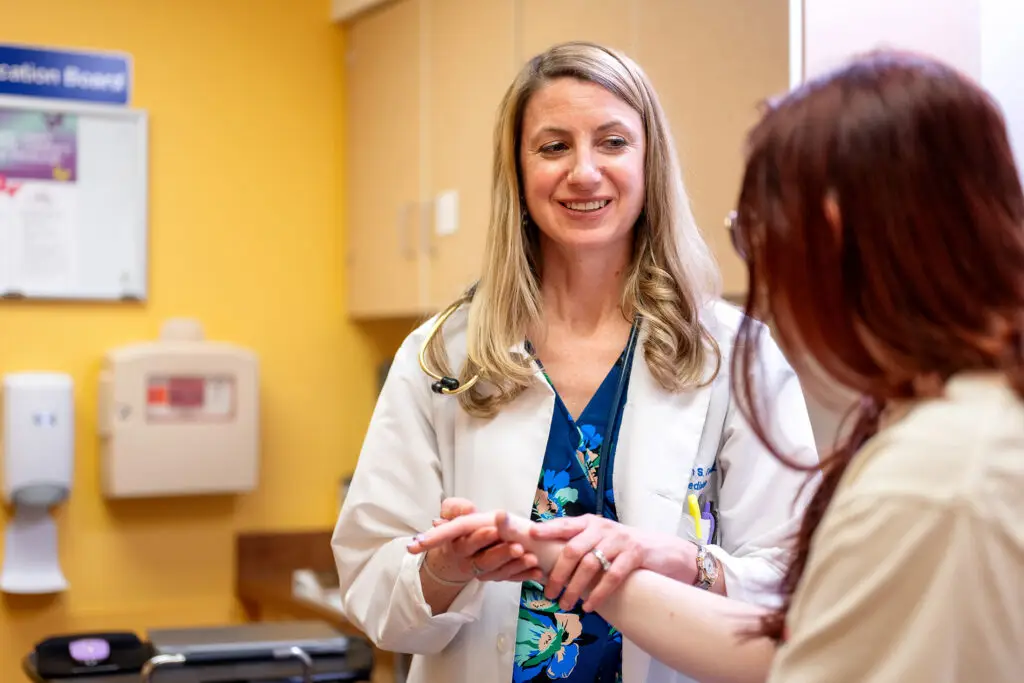
Jonas’ family scheduled a virtual appointment with Jacqueline Kreutzer, MD, a leader in interventional cardiology and co-director of the Heart Institute at UPMC Children’s.
After reviewing Jonas’ records, Dr. Kreutzer recommended a less invasive transcatheter heart procedure.
“In the past, this type of defect was always repaired surgically,” explains Dr. Kreutzer. “Recent advances now allow us to use covered stents delivered through a vein in the leg to completely avoid opening the chest. It’s a very innovative solution that is the result of many years of research.”
Dr. Kreutzer had only performed two SSVD transcatheter repairs before Jonas. Despite the novelty of the procedure, Jonas and his family had confidence in Dr. Kreutzer and scheduled the repair for the fall of 2025.

Technology Funded by Donors
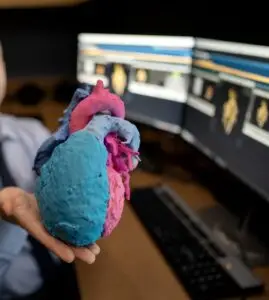
To plan for the procedure, Dr. Kreutzer and her team at the Heart Institute created a 3D-printed model and a virtual reality (VR) reconstruction of Jonas’ heart.
This donor-funded technology allowed the team to examine the heart from every angle and rehearse the complex intervention.
“Procedures like these require an incredibly detailed understanding of a patient’s anatomy,” says Dr. Kreutzer. “We used 3D printing and virtual reality to personalize our approach specifically for Jonas.”
A Complex, Life-Changing Procedure
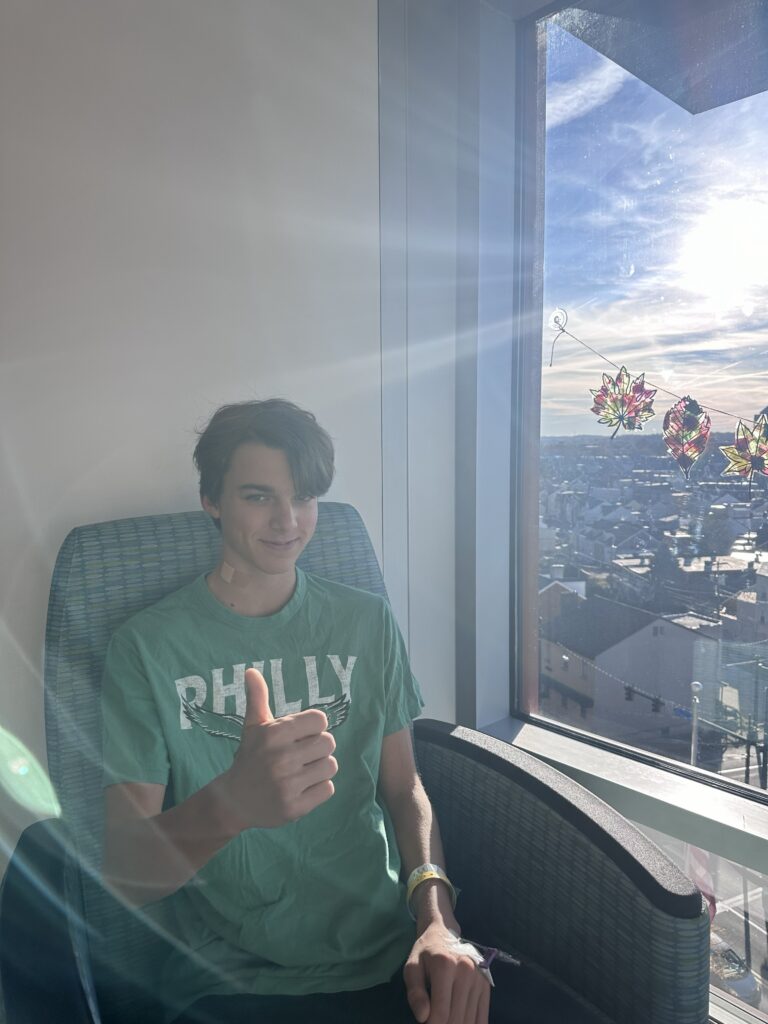
In November, Jonas was admitted for what was expected to be a three-hour procedure. Instead, the complex repair took nearly five hours. The Heart Institute team kept the family updated every step of the way.
“Everyone went above and beyond throughout Jonas’ hospitalization. We couldn’t have asked for a better team,” Deirdre says. “Dr. Kreutzer is a perfectionist. She did a great job. And the nurses were just wonderful.”
Amazingly, Jonas walked out of the hospital the very next day.
A Remarkable Recovery
Back at home, the transformation was visible. Jonas began producing four times the blood volume he had pre-procedure. On the soccer field, his endurance soared. And within a month of his discharge from UPMC Children’s, Jonas had gained 15 pounds of muscle.
The Impact of Less Invasive Care
Today, 18-year-old Jonas is enjoying his final year of high school and getting ready to head off to college in the fall.
He doesn’t talk much about the day and a half spent in the hospital or the congenital condition that sent him there in the first place, but he appreciates the innovation that repaired his ailing heart.
Deirdre and Will, on the other hand, talk about their experience at UPMC Children’s often. “It almost feels like we were meant to find the Heart Institute,” Deirdre says.
She adds, “It’s really, really important that kids and young adults have access to safer, less invasive treatment options, and donors help make that access possible. My family will always be grateful for the care Jonas received. We can’t say enough about Dr. Kreutzer and UPMC Children’s!”
About the Heart Institute
UPMC Children’s Heart Institute is ranked among the top pediatric cardiology and heart surgery programs in the nation by U.S. News & World Report. The Heart Institute is home to some of the top pediatric and adult congenital heart doctors and surgeons from around the world, often receiving referrals from around the country. Learn more about our vision for the future of heart care at UPMC Children’s.