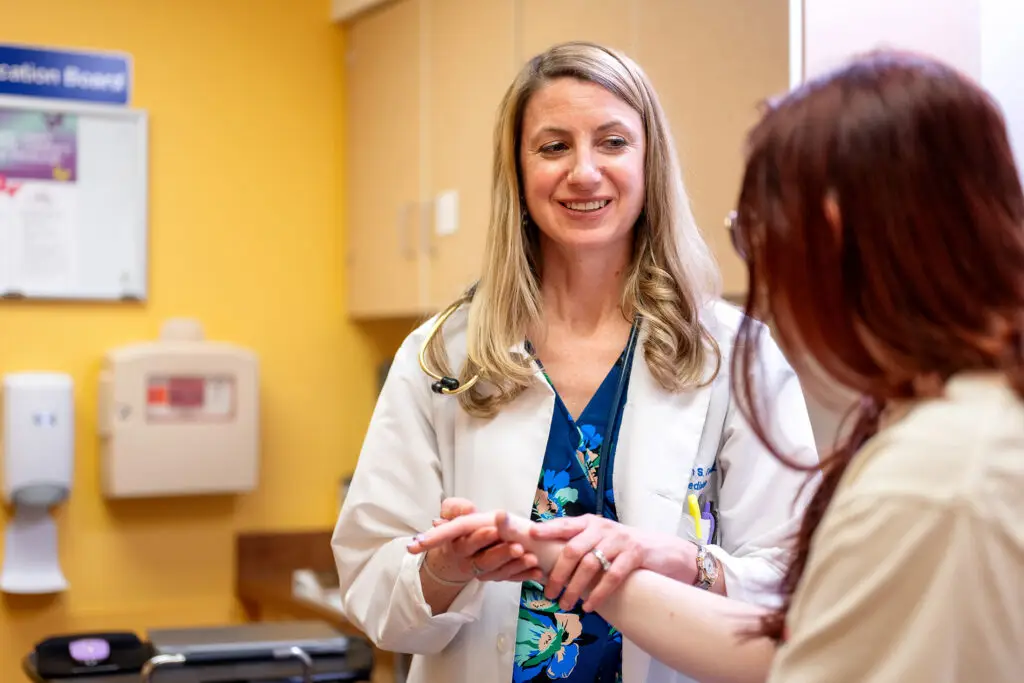
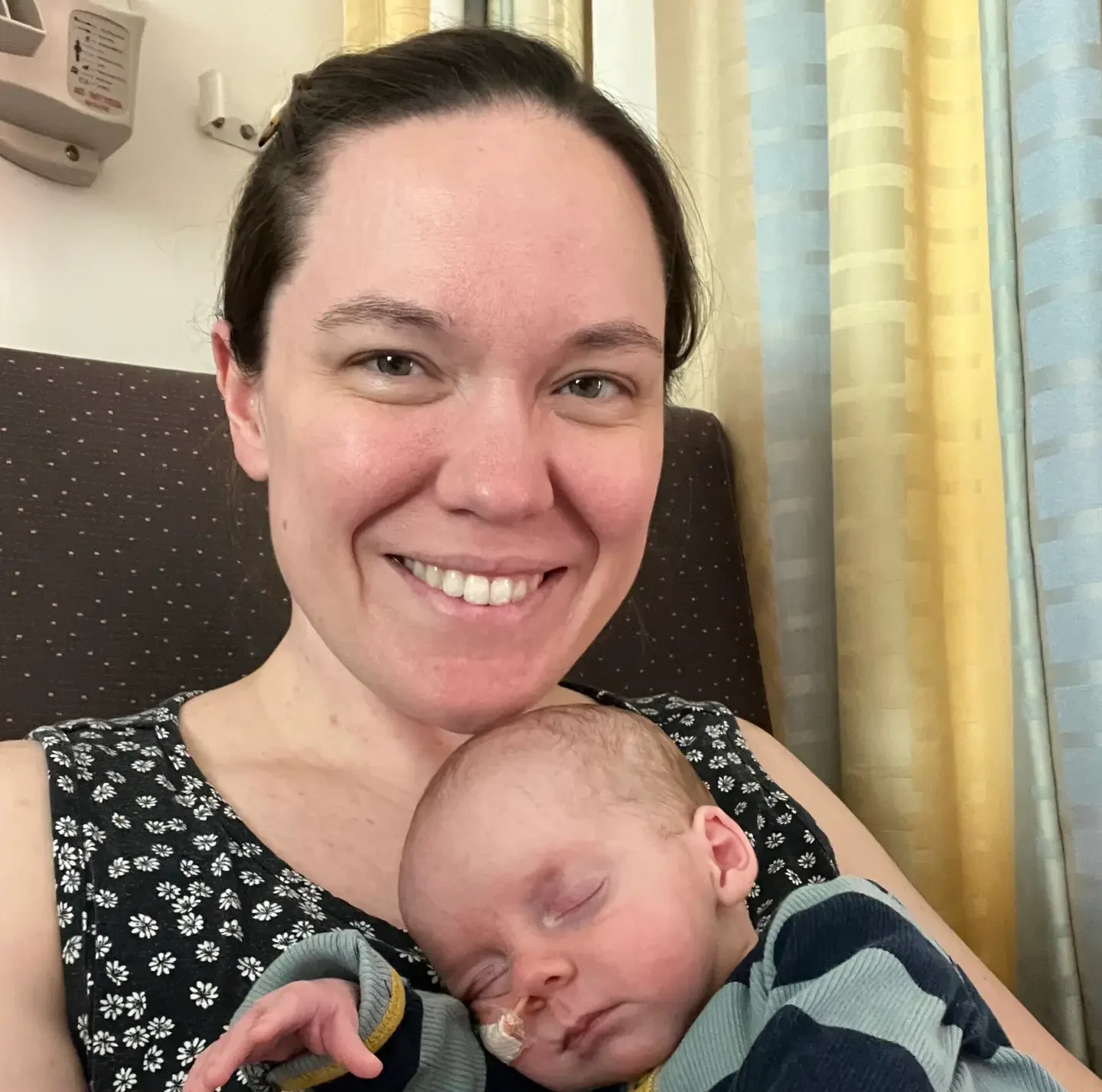
Kelly Harris, MD, MS
Dr. Harris’ research focuses on improving support for families who receive a prenatal diagnosis of complex congenital heart disease (CHD) by strengthening clinician‑family communication. This work is deeply personal for Dr. Harris. During residency, she experienced multiple miscarriages, leading to profound grief and uncertainty, and highlighting the importance of clinician communication. Years later, she received a complex CHD diagnosis for her son, further strengthening her resolve to develop better tools to support families facing similar diagnoses.
Using a mixed‑methods approach that includes interviews, surveys, and concept mapping, Dr. Harris studies both parent and clinician perspectives to better understand what families need during these difficult conversations. Her findings will inform the creation of a clinician‑focused intervention designed to improve parental coping following a prenatal CHD diagnosis.
Originally from Virginia, Dr. Harris now lives in Oakmont and enjoys embarking on all types of adventures with her daughter and twin sons.
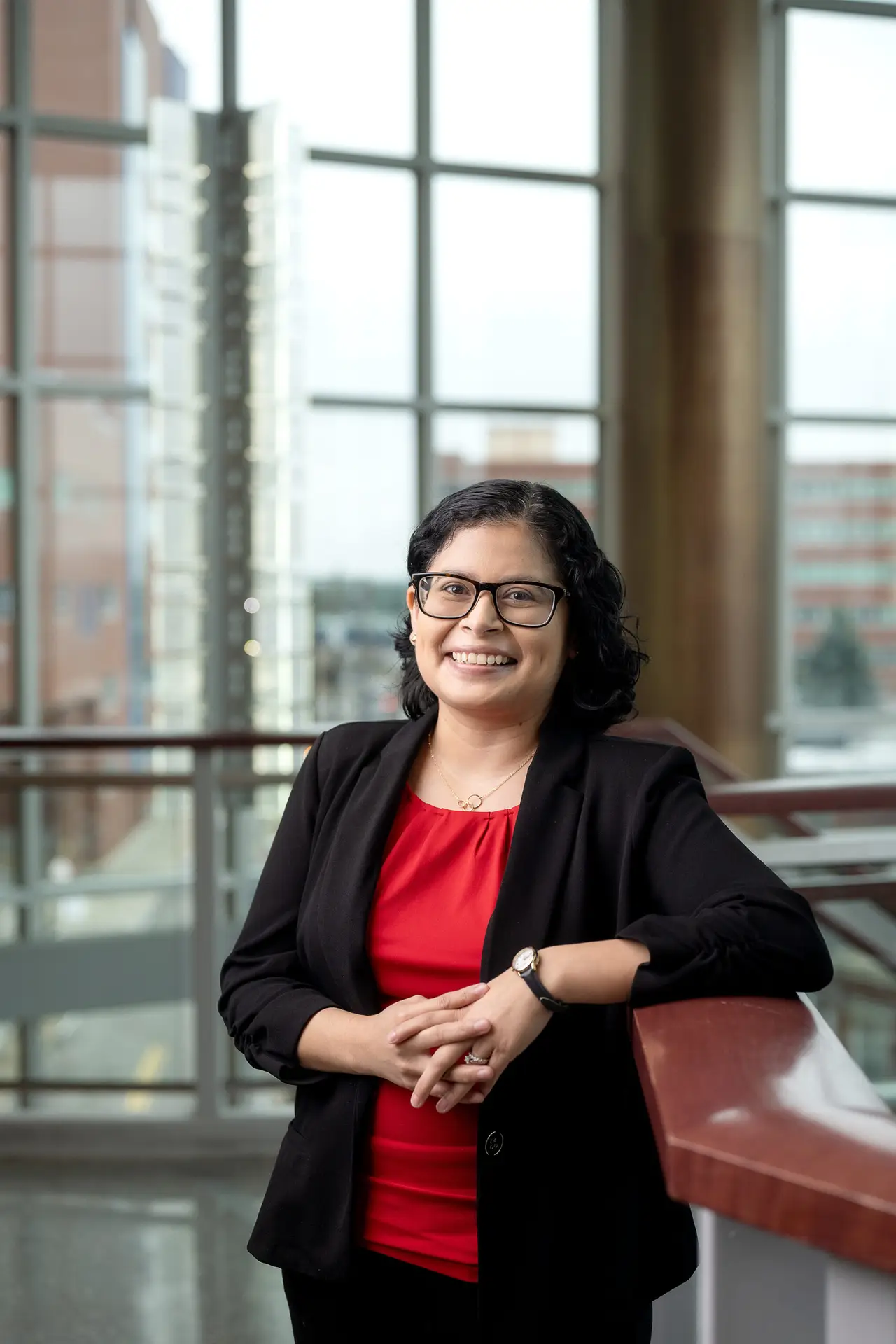
Jenny Ruiz, MD, MSCE
Dr. Ruiz studies how physicians communicate with families when a child is first diagnosed with cancer. For Dr. Ruiz, the research is grounded in personal experience. Several of her family members had difficult encounters with medical communication, sparking her interest in improving families’ involvement in care.
Dr. Ruiz looks at what clinicians are doing well and where communication can be improved, recognizing that clear, respectful conversations during cancer diagnosis and treatment ultimately help families better care for their child. Her work aims to strengthen these early interactions, when families are often overwhelmed and searching for guidance.
Originally from southern California and a New Yorker at heart (having lived there for eleven years), Dr. Ruiz now lives in the North Hills with her husband and two cats. She enjoys reading, musicals, traveling, and spoiling her many nieces and nephews.
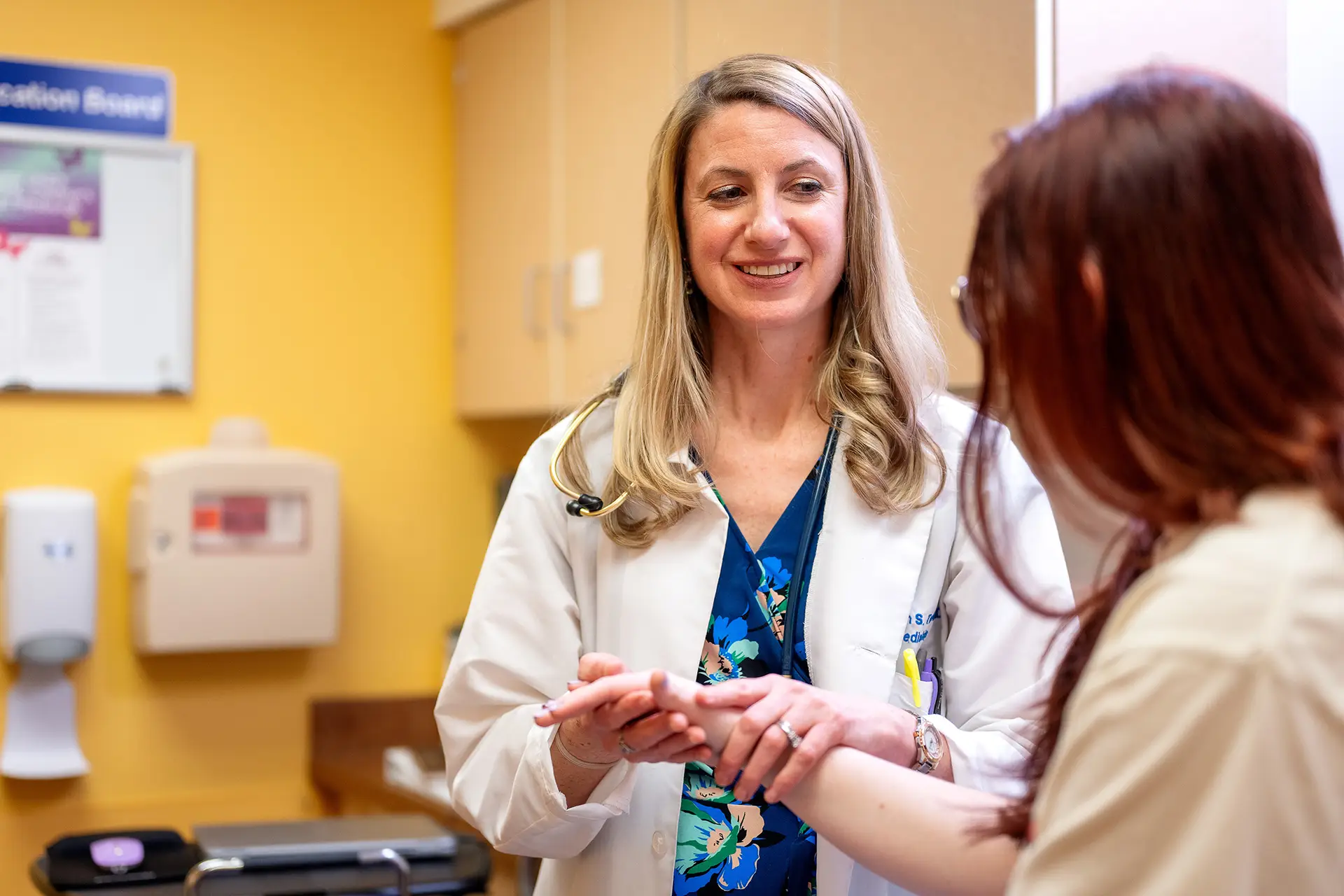
Kathryn “Cassie” Torok, MD
Dr. Torok’s research is dedicated to improving the lives of children with pediatric scleroderma, a rare and debilitating disease that causes the skin and, in certain subtypes, internal organs to become thickened and hardened. Early in her medical career, Dr. Torok cared for children with scleroderma and witnessed firsthand the profound physical and emotional toll the disease places on patients and their families. That experience inspired her to pursue a career focused on advancing treatment options and advocating for children and adolescents living with this complex condition.
As director of the Pediatric Scleroderma Clinic at UPMC Children’s, Dr. Torok balances compassionate patient care with innovative, collaborative research. She serves as principal investigator of the National Registry of Childhood-Onset Scleroderma, leading national efforts to analyze longitudinal clinical data and biological samples to better understand disease mechanisms and improve outcomes. She also oversees a first-of-its-kind autologous stem cell transplant clinical trial for children with severe disease, an approach that has shown remarkable promise where few options previously existed.
Support from philanthropic partners, including The Natali Foundation, has been instrumental in advancing this work, enabling discoveries that would not otherwise be possible and helping ensure that children with rare diseases are not left behind.
Outside the hospital, Dr. Torok enjoys life in the North Hills and spending time outdoors with her husband and three teenage children.
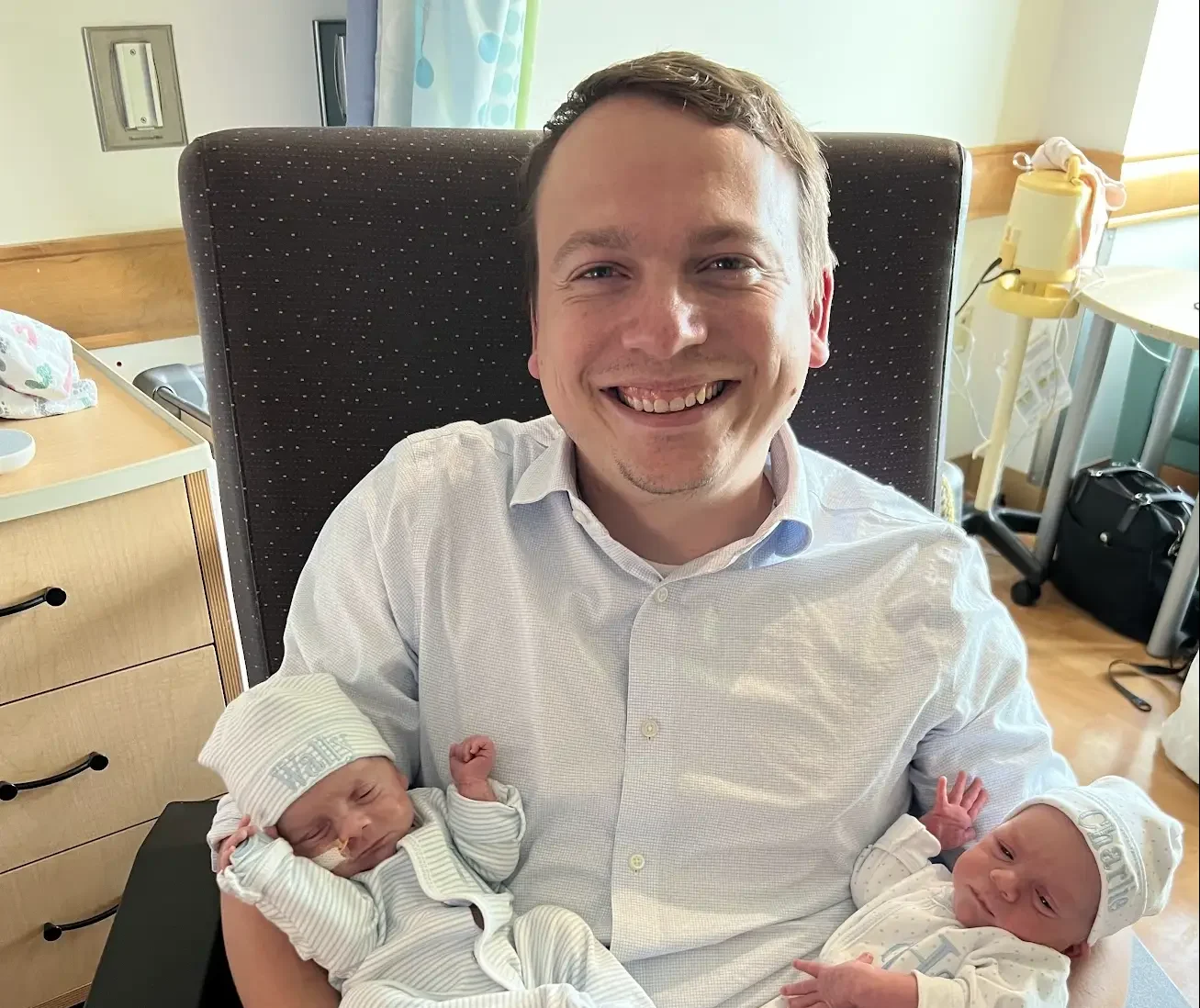
Nicholas Harris, MD
Dr. Harris is an adolescent medicine pediatrician‑scientist who investigates substance use among youth who have experienced early life adversity. Dr. Harris developed an interest in this work while serving as director of a student‑run free clinic in Nashville, where he cared for adults with addiction. Motivated to intervene earlier, he now focuses on the early stages of youth addiction, where small changes can dramatically alter life trajectories.
Dr. Harris examines why vulnerable adolescents often turn to substances such as alcohol or cannabis to cope and seeks new, healing‑centered approaches to care. By focusing on positive childhood experiences and sleep promotion, he aims to shift the field toward a youth‑centered, strengths‑based approach to adolescent substance use prevention and treatment.
At home in Highland Park, Dr. Harris’ greatest joy is being a dad to Bethany and twins Charlie and Wally, where the family enjoys lots of laughs and many adventures.